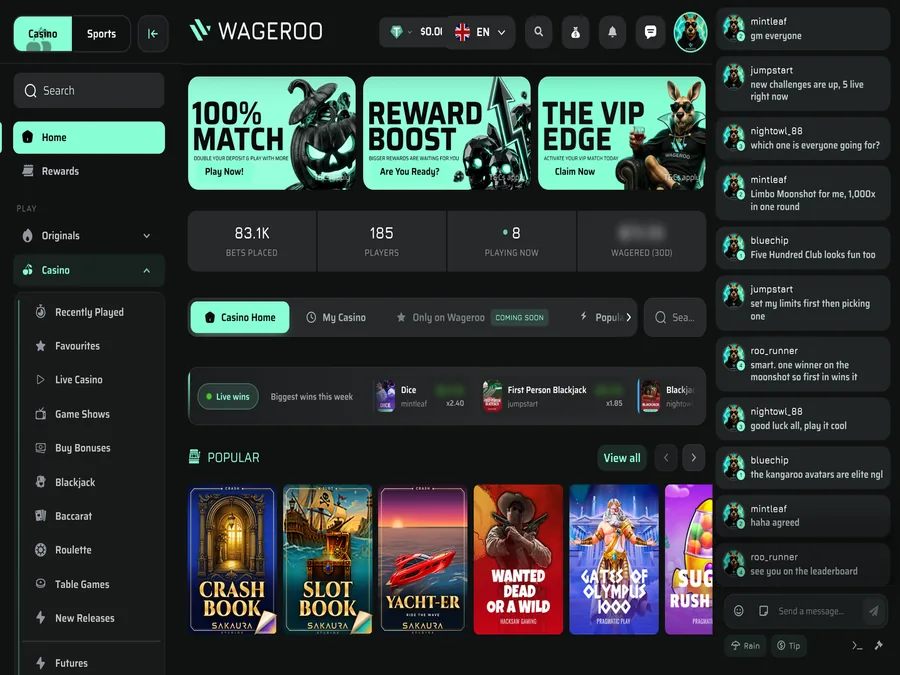
A well-run community gives people somewhere to understand the brand, take part, find reliable information and be heard. The operating work behind it needs as much attention as the launch.
For an iGaming business, Discord and Telegram should sit within a clear customer communication plan. This guide is a starting structure for community management: purpose, channels, moderation, participation and a feedback loop into the wider business.
Give the community a clear job.
Write down why someone would join and return. That could be access to useful product updates, conversations around shared interests, creator Q&As or a place to contribute feedback. Choose a purpose the team can deliver consistently.
Then define what belongs elsewhere. Account-specific support, identity documents and payment details should go through the operator’s approved private support process. A public chat is not the place to diagnose a person’s account.
Before opening or expanding a channel, confirm that the planned activity is permitted by the platform and appropriate for the intended audience and market. Discord has both Community Guidelines and a specific gambling policy. A community plan does not override those rules.
Source: Discord Community Guidelines (opens in a new tab)
Source: Discord Gambling Policy Explainer (opens in a new tab)
The structure below is an operating example, rather than a claim that every iGaming use case is eligible on either platform.
Give each channel a role.
Choose a primary home for discussion and a clear home for official updates. Use the second platform where it solves a different audience need. Duplicating every conversation across both platforms creates more moderation work and makes the official answer harder to find.
- Start here
- The community purpose, rules, staff identity, support route and an explanation of how to participate.
- Official updates
- Approved announcements, service information and links to the current source of truth.
- Discussion
- A small number of clearly named topics, with published moderation coverage and expectations.
- Feedback
- A structured way to report friction or suggest improvements, without exposing account details.
- Community events
- A visible schedule for approved Q&As, conversations and activities that do not depend on spending.
For Discord, that might mean a concise set of topic channels. For Telegram, it might mean an official announcement channel and a separately moderated discussion group. Treat this as a design choice for your audience, then confirm the available controls and permissions before launch.
Make trust part of onboarding.
A new member should be able to identify official staff, understand the rules and find help without asking a stranger. Use a short welcome flow with links to the official website and support process.
Publish how staff communicate and what they will never request in chat. Make it clear that members should not share passwords, verification documents or payment information. Give them a simple way to report impersonation or suspicious messages.
Keep the same information in the pinned or persistent welcome material on each platform. Assign an owner to update those links when the product, support provider or staffing changes.
Set expectations the team can meet. If moderation is staffed during defined hours, say so. Explain how urgent account or safety concerns reach the appropriate support team outside those hours.
Connect moderation to the business.
Moderators need a decision framework and access to answers. Agree who handles everyday conduct, misinformation, technical incidents, complaints and concerns about a member’s wellbeing. Give each escalation a route, owner and expected response window.
- Community lead: owns the channel plan, moderation quality, staffing and recurring feedback report.
- Moderators: apply the rules, maintain context and escalate issues with the minimum information needed.
- Support owner: takes account-specific issues through the approved private process.
- Product owner: investigates recurring friction and confirms what can be communicated about a fix.
- CRM and brand owners: keep lifecycle messages and public updates consistent with the actual customer experience.
Prepare responses for common situations, but give moderators room to answer the actual question. During an incident, publish what is known, the next update time and the correct support route. Avoid speculative explanations or promises the team cannot verify.
Where someone expresses distress or concerns about their gambling, follow the operator’s approved support and safeguarding process. Do not turn that interaction into a promotion or a retention offer.
Build a useful weekly rhythm.
A community program needs enough consistency for people to know what to expect. Start with a cadence your team can sustain, then adjust using participation and feedback.
Explain what is happening, highlight useful information and collect questions.
Run a moderated Q&A, feedback discussion or creator conversation with a clear purpose.
Close unanswered questions and share what the team has learnt or changed.
Recognise helpful contributions and shared interests. Participation should have value without requiring a deposit, wager or spending target. Keep promotional activity separate, appropriately reviewed and within the rules that apply.
Give creators a clear brief for their role in the community. Include the topic, timing, moderation support, audience expectations and who approves anything they communicate about the product.
Measure quality and close the loop.
Membership and message volume describe activity. Add measures that help the team make operating decisions. Define them before the report is produced, and keep the comparison periods consistent.
- Returning participants: members contributing in both the current and previous comparison period, with staff and known bots excluded.
- Response time: time to the first useful moderator response within published coverage hours. Separate acknowledgment from resolution.
- Unresolved issues: recurring questions or escalations still waiting for an owner or an answer.
- Feedback acted on: themes accepted by product or operations, plus what was communicated back to members.
- Conversation quality: a consistent review of useful participation, confusion, complaints and moderation issues.
These measures do not prove a community caused a revenue or retention change. Any commercial analysis needs an agreed method, appropriate data access and care around other influences such as campaigns or product changes.
Finish the weekly review with decisions: what changes, who owns it and when members will hear back. That is how community feedback becomes useful to CRM, retention and the wider customer experience.
Related HYPR work
 Kirgo / Good Luck merch
Explore Kirgo’s brand and community work
Brand architecture, creator activity and HYPR-managed Discord and Telegram communities.